Bicycle Accident Lawyer Steps to Take After a Nighttime Crash
@andersoninfl142
October 19, 2026 · 16 min read
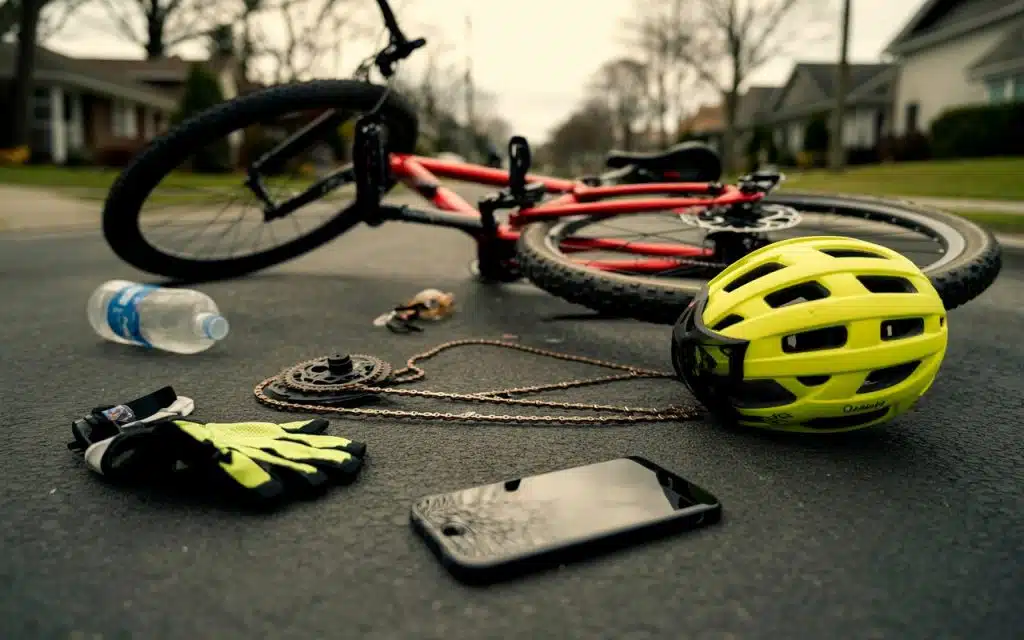
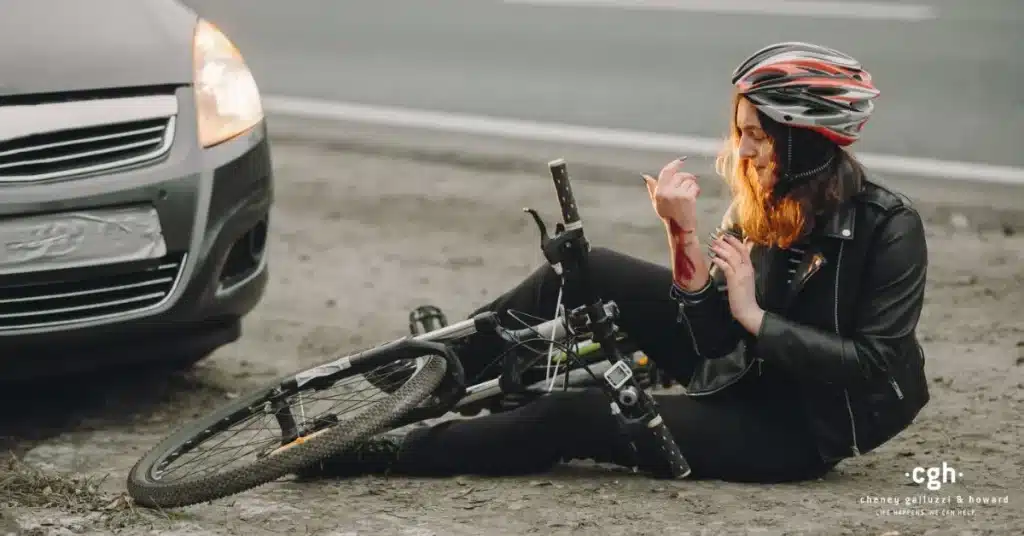
A nighttime bicycle crash feels different from a daytime collision. The disorientation hits harder. Streetlights create blind spots. Headlights wash out depth perception. Drivers often insist they never saw the rider, even when the cyclist had lights and reflective gear. By the time adrenaline starts to fade, important evidence may already be disappearing.
That is why the hours after a nighttime collision matter so much. The legal issues are often more complicated than they first appear. Visibility, roadway lighting, bike equipment, speed, alcohol use, driver distraction, and road design can all become part of the story. A Bicycle Accident Lawyer usually looks at more than the impact itself. The real work often starts with the scene, the records, and the timing.
Night crashes also create a particular kind of dispute. Insurance companies tend to lean hard on assumptions. They may suggest the rider was hard to see, outside the bike lane, wearing dark clothing, or somehow took on the risk by riding after dark. Sometimes those arguments hold weight. Often they are exaggerated or flatly wrong. The difference usually comes down to documentation.
The first priority is your body, not your bike
After a nighttime crash, people often focus on the wrecked bicycle because it is visible and immediate. A bent wheel, snapped fork, cracked helmet, or smashed light gives the brain something concrete to process. Meanwhile, the body can be running on shock.
Concussions are easy to miss in the dark. So are wrist fractures, internal injuries, rib damage, and knee trauma. A rider who stands up and speaks clearly at the scene may still have a brain injury or spinal issue that becomes obvious only later. If you hit your head, blacked out, feel dizzy, cannot remember the impact, or have neck pain, get medical attention right away. The same goes for chest pain, abdominal pain, heavy bleeding, trouble breathing, or numbness.
This is not just medical advice. It affects the legal side of the case. A long gap between the collision and treatment gives insurers room to argue that the injury came from something else, or that it was not serious. A Bicycle Accident Lawyer can deal with plenty of factual disputes, but delayed treatment almost always makes the case harder.
What to do at the scene, if you are physically able
The ideal scene response is calm, methodical, and fast. Real life is messier. If you can think clearly and move safely, focus on preserving facts before they vanish.
- Call 911 and ask for both police and medical help if there is any injury, significant property damage, or dispute about what happened.
- Photograph everything you can see, including your bike, your clothing, the vehicle, the road, lane markings, debris, skid marks, lighting conditions, traffic signals, and your visible injuries.
- Get the driver's name, contact details, insurance information, license plate number, and the names and phone numbers of any witnesses.
- Do not argue about fault at the scene, and do not downplay your condition by saying you are fine if you are not sure.
- Keep your damaged gear and do not repair or discard the bicycle, helmet, lights, or clothing.
Those five steps sound simple on paper. At night, each one has practical complications. Photos need context, not just close-ups. A dark road can look very different on a phone camera than it did to the human eye. Take wide shots that show where streetlights were, where shadows fell, and where the driver would have approached from. If your front light or rear light was on, photograph it while still mounted if possible. If a helmet light was flashing, try to capture that too.
Witnesses matter even more after dark because visibility becomes a central issue. A neutral bystander who says, “I could see the cyclist clearly from half a block away,” can change the entire trajectory of a claim. So can a rideshare driver, delivery worker, or pedestrian who noticed the car drifting, speeding, or turning without yielding.
Why the police report matters, and why it is not the final word
Many injured cyclists assume the police report will settle everything. Sometimes it helps a great deal. Sometimes it creates new problems.
An officer arriving after the collision may not have seen the lighting conditions that existed a few minutes earlier. Patrol car floodlights, ambulance lights, and traffic backups can alter the scene. The officer may talk more to the driver than to the rider if the cyclist is being treated by paramedics. That can lead to a report that sounds more certain than the evidence really supports.
Still, a report is important. It can identify parties, witnesses, the basic location, time, weather, and any traffic citations. In some cases it may note whether the driver admitted not seeing the rider, whether there was an unsafe turn, or whether the cyclist was thrown a significant distance. Those details can become useful later.
If the report contains mistakes, do not panic. A Bicycle Accident Lawyer will usually treat the report as one piece of the puzzle, not the whole case. Surveillance footage, 911 calls, event data from the vehicle, business security cameras, helmet cam video, bike computer data, emergency medical records, and witness statements can all fill in the gaps.
Nighttime crashes turn on visibility, but visibility is more nuanced than people think
The defense in a nighttime bicycle case often starts with a simple claim: the rider was hard to see. That sounds persuasive until someone actually tests the facts.
Visibility depends on several overlapping factors. Was the road lit evenly, or were there long dark gaps between lamps? Was the driver turning across the cyclist’s path, where headlights would not help much? Did the car have a dirty windshield, tinted glass, fogging, or glare from oncoming traffic? Was the cyclist using a white front light and red rear light, and were reflectors present? Was the rider in the travel lane legally because the shoulder was blocked by debris, parked cars, or drainage grates? Was the driver looking for cross traffic and simply not scanning for a bicycle?
A common pattern in these cases involves the so-called looked but failed to see problem. The driver says they looked, yet they pulled out or turned directly into the cyclist. That statement does not automatically excuse the driver. It may support negligence if a reasonably attentive driver should have seen what was there to be seen.
There are also cases where the cyclist’s own equipment becomes an issue. If the front light was dead, the rear light missing, or dark clothing made the rider less conspicuous, that may affect how fault is allocated. Good lawyers do not ignore those facts. They deal with them head-on, because most claims rise or fall on credibility. Hiding weak points rarely works. Framing them honestly and in context often does.
Medical records tell the story that memories cannot
After a crash, your recollection may be fragmentary. Nighttime collisions are notorious for memory gaps because many involve head impact, shock, or a rapid sequence of events in low light. That is one reason medical records become so important.
Emergency room notes, imaging reports, orthopedic evaluations, physical therapy records, and follow-up visits create a timeline. They show when symptoms began, how they progressed, what treatment was necessary, and what limitations followed. A sore shoulder that turns out to be a rotator cuff tear may not be fully diagnosed on day one. A wrist that seemed sprained may later reveal a fracture. Numbness in a leg might point to a disc injury after initial swelling goes down.
From a legal standpoint, consistency matters. Tell your doctors how the crash happened and describe all symptoms, even the ones that seem minor. People often mention the dramatic injuries and forget the headache, jaw pain, tingling fingers, or lower back stiffness. Weeks later, those become significant and the chart is silent. That silence gives insurers room to argue.
A Bicycle Accident Lawyer is not there to direct medical care, but a good one will tell clients something practical: treat with providers you trust, follow through, and do not vanish from care for long stretches unless a doctor releases you or says monitoring is enough.
Preserve the bicycle exactly as it is
One of the biggest mistakes riders make is fixing the bike too soon. I have seen cases where a bent fork, damaged rear triangle, or crushed taillight would have helped prove the angle of impact, only to have the entire bicycle repaired before anyone documented it properly.
The bike is evidence. So is the helmet. So are your torn gloves, ripped jacket, damaged shoes, broken phone mount, and smashed lights. The scrape patterns can show whether the vehicle clipped the bike from behind, cut across it in a turn, or knocked it sideways. The type of damage can also rebut a driver’s version of events.
Store everything in a safe place. Take close photographs and wider context photos. If possible, leave accessories attached until they are documented. If the bicycle must be moved from impound or a tow yard, keep a record of where it came from and who handled it. In more serious injury cases, counsel may want a formal inspection before repairs or disposal.
This is especially true in wrongful death cases or claims involving disputed lane position. A damaged front light mount, for example, may support that the cyclist had lighting installed and in use. That one detail can matter more than people expect.
Be careful with insurers in the first few days
Insurance adjusters move quickly after a traffic collision, and nighttime bicycle cases are no exception. The early call may sound routine. It rarely is.
The adjuster may ask for a recorded statement while you are medicated, sleep-deprived, and still unsure about the sequence of events. They may ask leading questions about how dark it was, whether your lights were on, whether you were wearing reflective clothing, and whether you saw the car before impact. None of those questions are casual.
You generally need to report the collision to your own insurer if applicable, especially if there may be medical payments coverage, uninsured motorist coverage, or coverage tied to another household vehicle. But reporting is different from giving a detailed recorded narrative before you understand your injuries and the evidence.
A measured approach helps. Provide necessary notice. Confirm basic facts. Avoid guessing. If you do not know whether the driver was speeding, say you do not know. If you are unsure whether you lost consciousness, say you are being evaluated. Guesswork hardens into “facts” very quickly once it appears in a claim file.
When to call a Bicycle Accident Lawyer
Not every bike crash requires formal representation. A low-speed incident with no real injury and a cooperative insurer may resolve without major conflict. Nighttime collisions, however, often deserve an early legal review because the proof can disappear fast.
Security camera footage may be overwritten within days. Businesses near the crash site may not save it unless asked promptly. The vehicle itself may be repaired before it is inspected. Witnesses may forget details about lighting and road position. Municipal entities may require special notice if a dangerous roadway condition contributed to the crash.
Call a Bicycle Accident Lawyer quickly if any of the following are true:
- You suffered more than minor injuries, especially a head injury, fracture, surgery, or prolonged time off work.
- The driver disputes fault or claims they could not see you.
- The police report is inaccurate, incomplete, or places blame on you without clear support.
- There may be video footage, roadway defects, hit-and-run issues, or uninsured or underinsured coverage questions.
- A family member died or has catastrophic injuries.
Early involvement is not about theatrics. It is about preservation. A lawyer can send letters to preserve evidence, identify insurance coverage, gather records, contact witnesses, and, when needed, work with reconstruction experts who understand line-of-sight issues and night visibility.
Road design and city maintenance can play a role
Some nighttime crashes are not just driver-versus-cyclist cases. Poor road design can contribute in meaningful ways.
I have seen intersections where bike lane markings vanish just before a right-turn conflict zone. I have seen stretches of road with broken streetlights, uneven pavement, pooled water, missing signage, and parked cars that force riders into traffic at exactly the wrong point. Drain grates, potholes, and debris are more dangerous after dark because they are harder to detect with limited light and short reaction time.
If a rider swerves to avoid a hazard and is then struck, fault can be shared among multiple parties. That does not mean every bad street creates a claim against a public entity. Those cases are often difficult and subject to strict notice rules, defenses, and immunity issues. But they should be evaluated early, not as an afterthought months later.
A seasoned Bicycle Accident Lawyer will usually ask very specific questions here: Was there a history of complaints? Were lights out in that area? Was there prior crash data? Did recent construction change the lane pattern? Did temporary signage create confusion? These are not abstract questions. They often shape who can be held accountable.
Comparative fault is real, but it is not the end of the case
Many injured riders worry about one fact that might be used against them. Maybe the rear light battery had died. Maybe they drifted slightly outside the bike lane to avoid parked cars. Maybe they were riding home from dinner and had one drink. Maybe they were not wearing reflective ankle straps or a bright jacket.
Those facts may matter. They do not automatically destroy a case.
In many states, fault can be shared. A driver who turns across a cyclist’s path without yielding may still bear most of the blame even if the rider’s visibility could have been better. A driver who is speeding, distracted, impaired, or not scanning properly may remain primarily responsible despite nighttime conditions.
Good case evaluation lives in the gray areas. Strong lawyers do not promise a perfect liability picture when one does not exist. They assess exposure honestly, compare likely witness testimony against physical evidence, and weigh how a jury or adjuster may view the conduct of both sides.
That candor matters to clients. It is far better to know early that a helmet was cracked, the light situation is disputed, and the intersection camera was erased than to discover those issues after months of false confidence.
Social media can quietly damage a legitimate claim
Nighttime crash victims often post because they want support, or because the event feels surreal and they want to explain it. That instinct is understandable. It can also create problems.
A single post showing you smiling at a family event while your claim is pending may be twisted into evidence that you are not hurt. A rushed comment like “I’m okay” can later be used against more serious medical complaints. Speculation about the driver, the police, or the cause of the collision can backfire if later evidence differs.
The safest course is restraint. Keep discussions private and limited to your doctors, close family, and legal counsel. Ask friends not to tag you in photos or comment publicly about the case. This is not paranoia. It is simple claim hygiene.
Damages go beyond the emergency room bill
People often undervalue bicycle cases because the property damage seems modest compared with a two-car collision. That misses the real losses.
A serious bike crash can produce emergency care, orthopedic treatment, imaging, physical therapy, neurology consults, dental work, surgery, prescriptions, and long recovery periods. Lost income may include not just missed shifts but also missed freelance work, delayed contracts, reduced capacity, and lost professional momentum. Then there is the bike itself, often worth several thousand dollars once components, wheels, electronics, lights, clothing, shoes, and helmet are counted.
Pain and suffering is harder to quantify but very real. So is the loss of activity for people who commute by bike, race, train, or rely on cycling as their primary exercise and stress relief. Someone who can no longer ride at night, or who develops a lasting fear of traffic after being hit, has suffered a genuine loss even if scans eventually look normal.
A careful legal claim should capture the whole picture, not just the first set of bills.
The details that often decide these cases
What tends to move a nighttime bicycle case from uncertain to persuasive is not one dramatic fact. It is the accumulation of small, credible details.
A witness who noticed the cyclist’s blinking rear light before impact. A hospital note recorded within an hour of the crash. A streetlight outage complaint logged days earlier. A damaged front wheel that shows the car turned into the bike rather than striking it straight from behind. Security footage from a gas station that catches the driver approaching too fast. A pair of reflective gloves preserved in an evidence bag. A helmet with fresh impact damage. The driver’s own statement that they were watching for cars and never expected a cyclist.
That is how these cases are built, piece by piece.
Nighttime bicycle collisions invite assumptions. Some of those assumptions are fair. Many are lazy. The right response after a crash is not panic, and it is not silence. It is disciplined action. Get treated. Preserve what you can. Report carefully. Avoid guessing. And if the injuries are significant or the facts are disputed, speak with a Bicycle Accident Lawyer before the evidence goes cold.
The law does not erase the shock of being hit in the dark. What it can do, when handled well, is replace https://juliusjrjw109.swiftnestly.com/posts/bicycle-accident-lawyer-help-for-side-impact-collisions confusion with a documented record of what really happened and who should answer for it.
CGH Injury Lawyers
2701 Lawrence St Suite 201
Denver, CO 80205, United States
Phone: +1 720-669-8062
FAQ About Bicycle Accident Lawyer
Who is at fault if a car hits a bicycle?
Fault depends on the evidence and the traffic rules that applied to the collision. A driver, cyclist, or another party may share responsibility. Police reports, witness accounts, video, and the physical evidence can help establish what happened. A collision with a car does not automatically determine legal fault.
Can you sue someone for hitting you on a bike?
You may have a claim when another person's negligent conduct causes your injuries and losses. The available evidence, applicable deadlines, insurance coverage, and any shared fault affect your options. A lawyer can review the circumstances and explain whether an insurance claim or lawsuit is appropriate; compensation is not guaranteed.
What percentage does an injury lawyer usually take?
There is no single percentage that applies to every injury case. Many lawyers use a contingency fee based on a share of the recovery, with the terms stated in a written agreement. Ask how the percentage is calculated, whether it changes during litigation, and how case expenses are handled before signing.